

Knee Cartilage
17 Jun 2026Demo Author One
Cartilage repair options for lasting joint health
A practical overview of cartilage repair, injection therapy, rehabilitation planning, and the clinical evidence that guides joint preservation care.
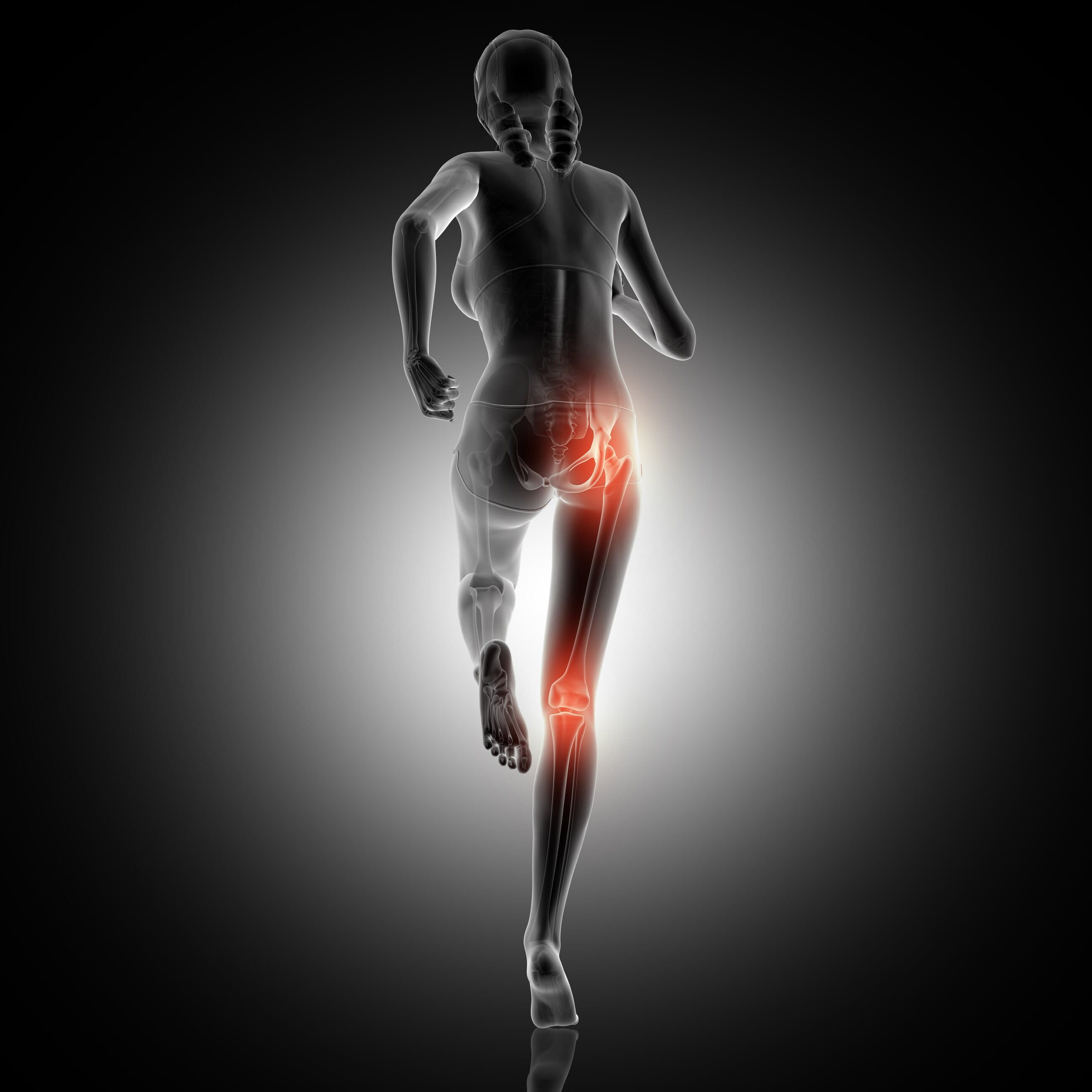
STARR repairs your own living ligament instead of cutting it out and replacing it with a graft. But it only works while the tissue is still healthy — and that window is measured in weeks.
Replacement is the last resort — never the first. We treat the knee as a spectrum, and our role is to give you clarity, evidence, and a path that preserves what you have for as long as possible.
Protect what’s still there — targeted treatment that keeps the joint working.
Fix the specific damage — a torn ACL or meniscus. Timing matters most here.
You are hereRebuild tissue with advanced biological techniques, available only here.
When alternatives are exhausted, restore function — only after exploring every option.
Traditional ACL reconstruction cuts out the torn ligament and replaces it with a graft harvested from your own hamstring, patella or quad tendon. It works — but it permanently removes healthy tissue and the nerves that tell your brain where your knee is in space.
"When the tissue is still viable, repairing your own ACL preserves its blood supply, its nerves and its natural mechanics. There may be options worth exploring before a replacement."
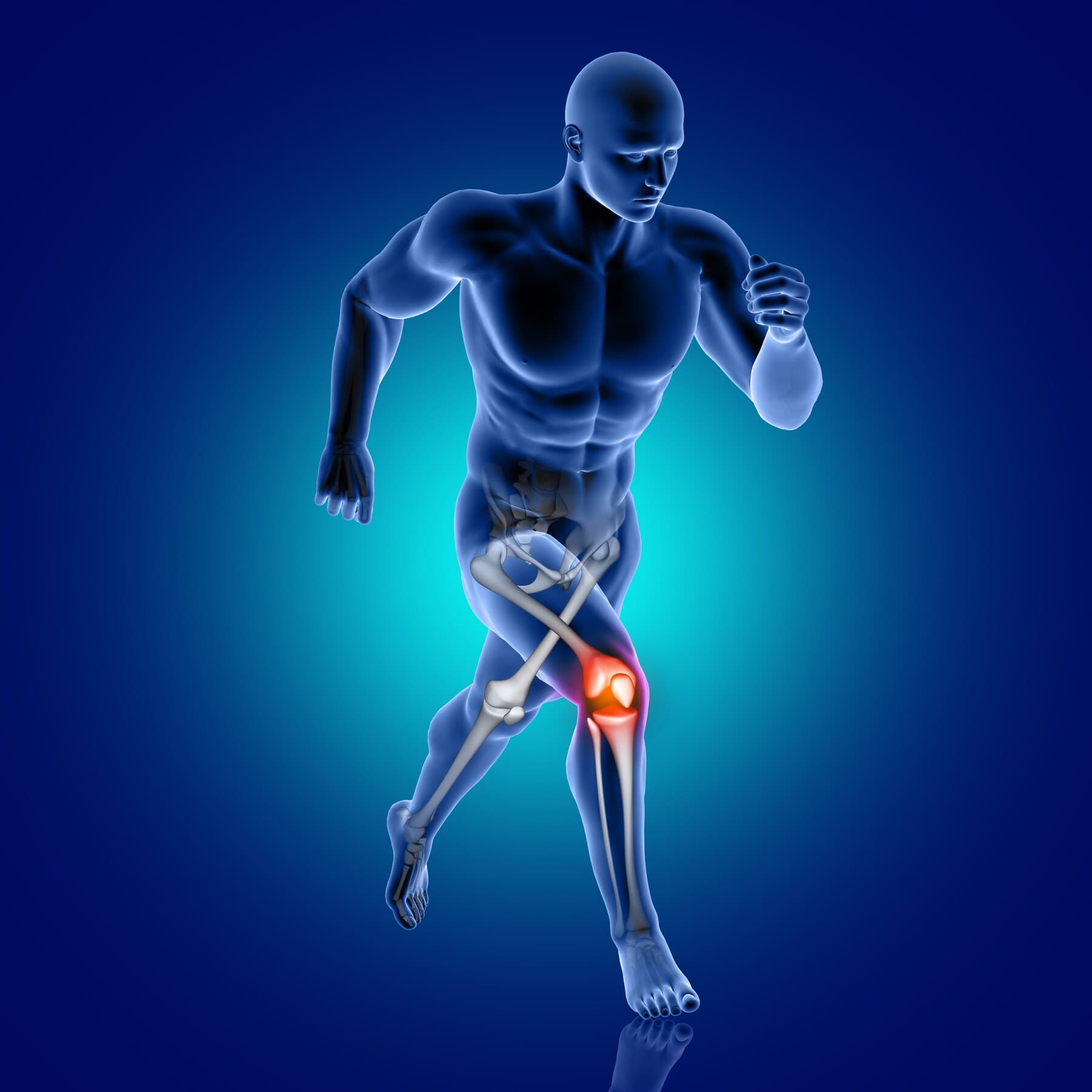
STARR repairs your native ligament, so your hamstring stays untouched — no permanent strength deficit from harvesting a tendon.
Preserving the ACL retains its nerves, keeping your brain’s spatial awareness of the knee intact for sport.
Joint-preserving repair maintains natural kinematics and is associated with a reduced risk of arthritis over time.
Saving a native ACL depends on timing. Once the unattached ligament resorbs, a repair is no longer possible — so the clock starts the moment you're injured.
Tissue is still vascular and strong enough to hold sutures — the best possible conditions for STARR.
STARR still gives good results, provided the native tissue hasn’t severely retracted. A scan now is time-critical.
Native ligament tissue begins to resorb. An urgent MRI is the only way to know if repair is still possible.
STARR is rarely advised. Prof. Lee can review your scan and discuss muscle-preserving allograft reconstruction.
A 2-minute, no-obligation check — built on a clinically-validated knee screen — shows how much of your window is left.
X-rays only check for broken bones. Waiting for the knee to "settle down" wastes vital time inside the repair window. A high-resolution MRI is the only way to confirm whether your ligament can still be saved — and we can arrange a same-day scan in London or Lincolnshire.
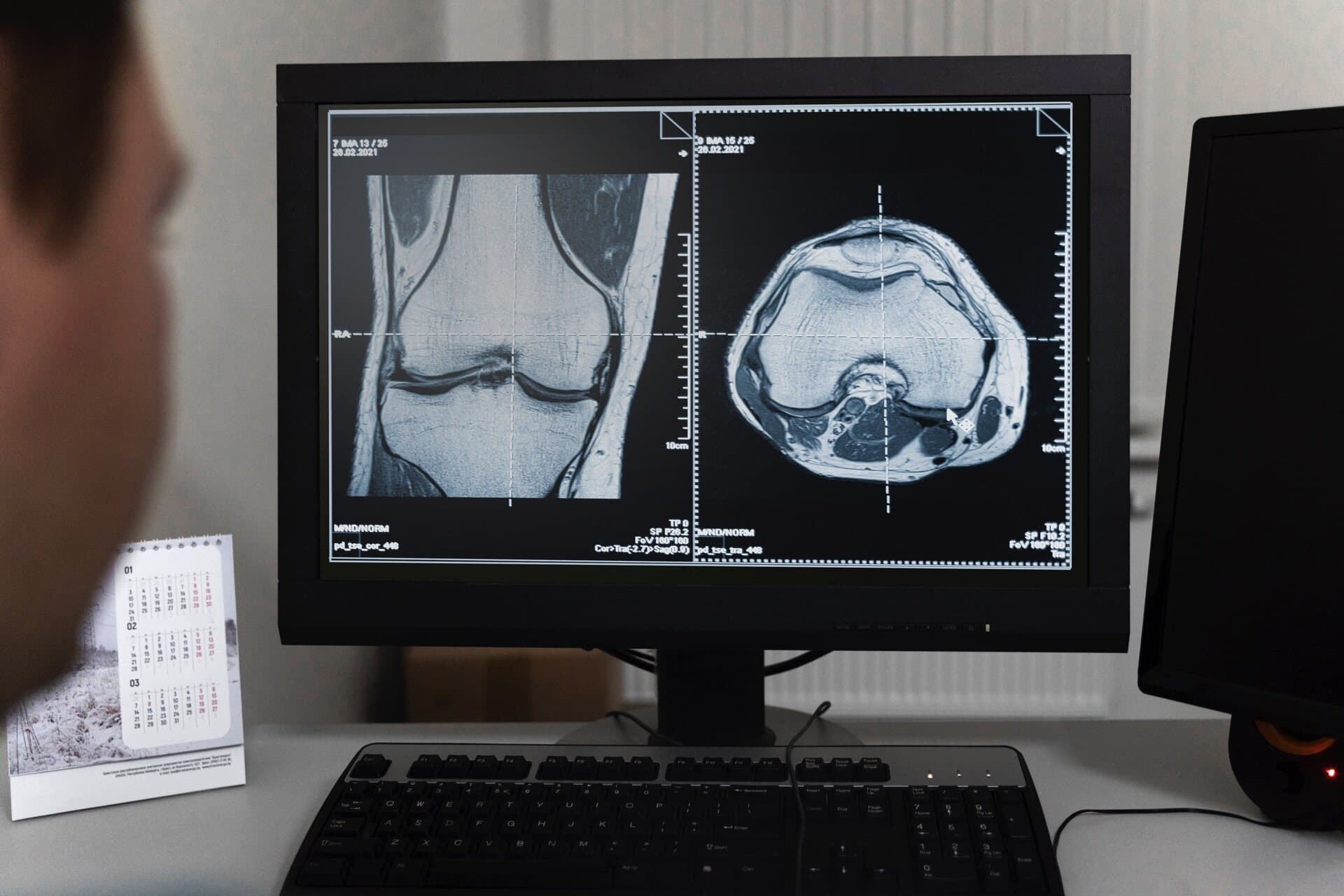
STARR — Suture-Tape Augmented Ruptured-ACL Repair — treats your ACL as a living organ. It realigns your own torn fibres, braces them with high-strength tape, and wraps the repair in a regenerative scaffold. Developed and performed exclusively by Professor Paul Lee.
Ultra-strong suture tape restores mechanical stability the moment it’s placed — shielding the healing ligament and allowing safe, protected early weight-bearing.
A bioengineered collagen scaffold bridges the tear, interacting with your own blood and fluids to create the ideal microenvironment for cells to rebuild.
Preserving the native ACL keeps its nerves and blood supply intact — protecting proprioception, your body’s natural sense of where your knee is in space.
Minimally invasive, arthroscopic, and home the same afternoon.
Read the full STARR explainer
MBBCh · MRCS · MSc · PhD · FEBOT · FRCS (Tr&Orth)
An internationally recognised authority bridging surgical precision and regenerative medicine — and the surgeon who developed the STARR technique.
Prof. Lee personally conducts your consultation, reviews your imaging, performs the surgery and oversees recovery.
Decades of work on the body’s capacity to heal, applied to joint preservation.
Shaping the future of sports medicine and regenerative science.
Relied upon by active patients and sportspeople to protect their careers.
A clear, safe route designed to protect your repair window at every step.
A free, 15-minute logistical call with a patient coordinator to map your timeline and arrange a scan. Non-medical, no pressure.
High-resolution imaging in London or Lincolnshire confirms whether your ACL can still be saved.
A 30-minute medical consultation: Prof. Lee reviews your scan and confirms whether STARR is right for you.
Day-case surgery, then a brace-protected start, progressive physiotherapy, and return-to-sport testing around month 6.
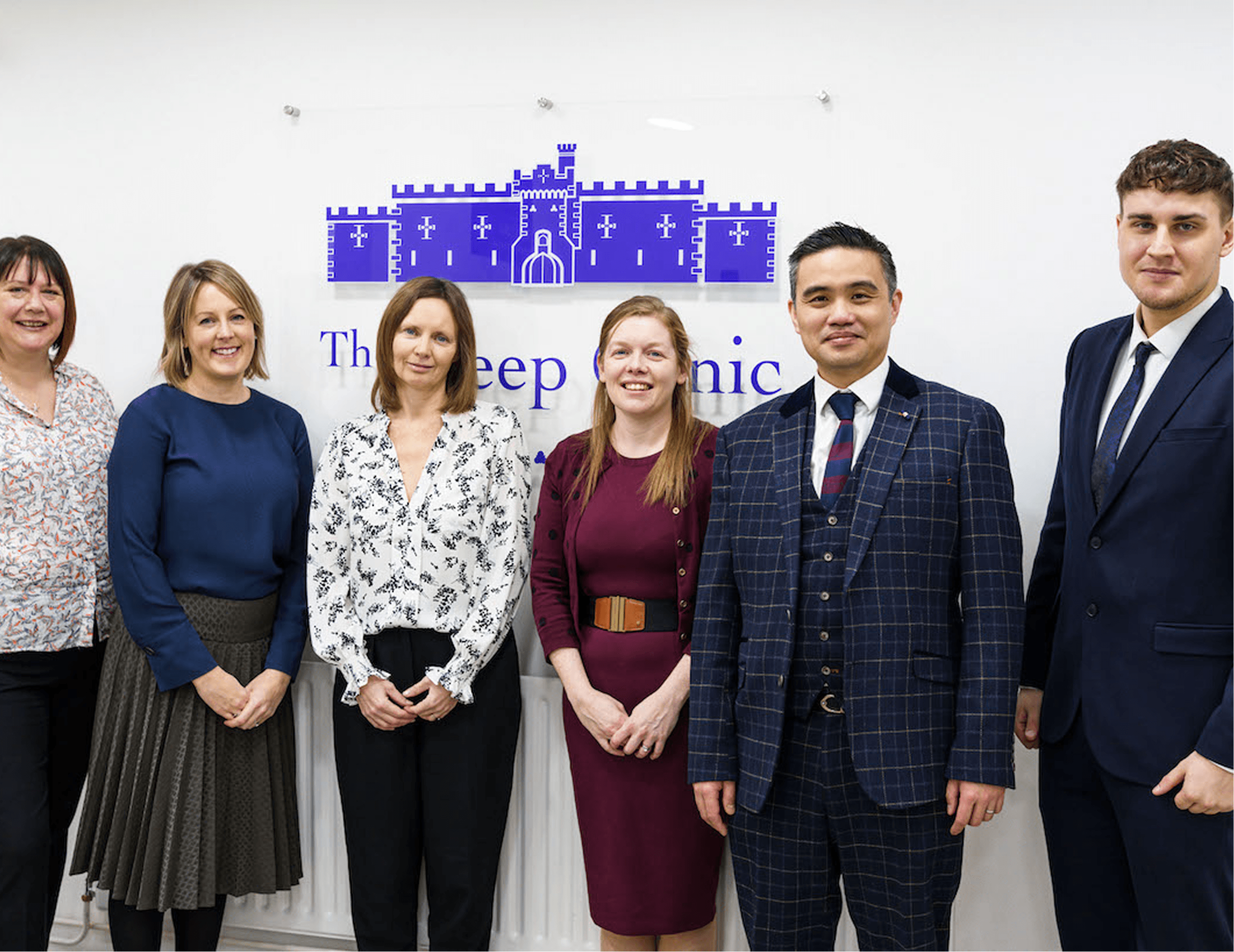
If a repair is possible, it's the only way to truly protect your own ligament — but every day counts toward your window. Start with a 2-minute check, then let us help you move quickly.
Research notes, recovery guidance, and ACL preservation updates from our team.
A practical overview of cartilage repair, injection therapy, rehabilitation planning, and the clinical evidence that guides joint preservation care.
A practical overview of cartilage repair, injection therapy, rehabilitation planning, and the clinical evidence that guides joint preservation care.
A practical overview of cartilage repair, injection therapy, rehabilitation planning, and the clinical evidence that guides joint preservation care.